Behind the Screens: Encryption Methods Powering Secure Payouts in UK's Premier Casino Applications
Morgan Peters · Jul 17, 2026

Behind the Screens: Encryption Methods Powering Secure Payouts in UK's Premier Casino Applications
Encryption forms the backbone of secure financial operations inside leading UK casino applications, where data travels between player devices and operator servers during deposits and withdrawals. Developers integrate multiple layers of cryptographic protocols to protect transaction details, account credentials, and payout instructions from interception or tampering. Research from standards bodies shows that these systems rely on established algorithms that have undergone extensive testing across global financial and gaming sectors.
Core Protocols in Mobile Transaction Security
Transport Layer Security, known as TLS, handles the initial handshake between apps and backend systems, establishing encrypted channels that prevent eavesdropping during data exchange. AES-256 encryption then secures stored information and session data, while RSA key pairs manage authentication steps before funds move. Observers note that these combinations appear consistently across top-rated iOS and Android platforms serving UK users, with updates rolled out regularly to address emerging vulnerabilities. In July 2026 several operators introduced enhanced elliptic curve variants alongside existing RSA frameworks to streamline mobile verification processes without increasing latency.
Key exchanges occur through Diffie-Hellman methods that generate temporary session keys, ensuring each payout request uses unique cryptographic material. Data shows this approach reduces risks associated with long-term key exposure, particularly when players complete multiple rapid withdrawals within a single session. Industry reports indicate that apps processing high volumes of instant cashouts maintain separate encryption zones for live dealer feeds and financial ledgers, keeping sensitive payout routing isolated from general traffic.
Implementation Across Premier Applications
Those who have examined leading casino platforms observe that end-to-end encryption wraps every withdrawal request from the moment a player initiates it on their device. The data passes through multiple checkpoints where integrity checks verify that no alterations occurred during transit. Case studies from developers working with UK-facing apps reveal routine integration of hardware security modules that store private keys offline, adding another barrier against remote attacks. Figures from independent testing labs confirm that these modules meet international benchmarks for tamper resistance.
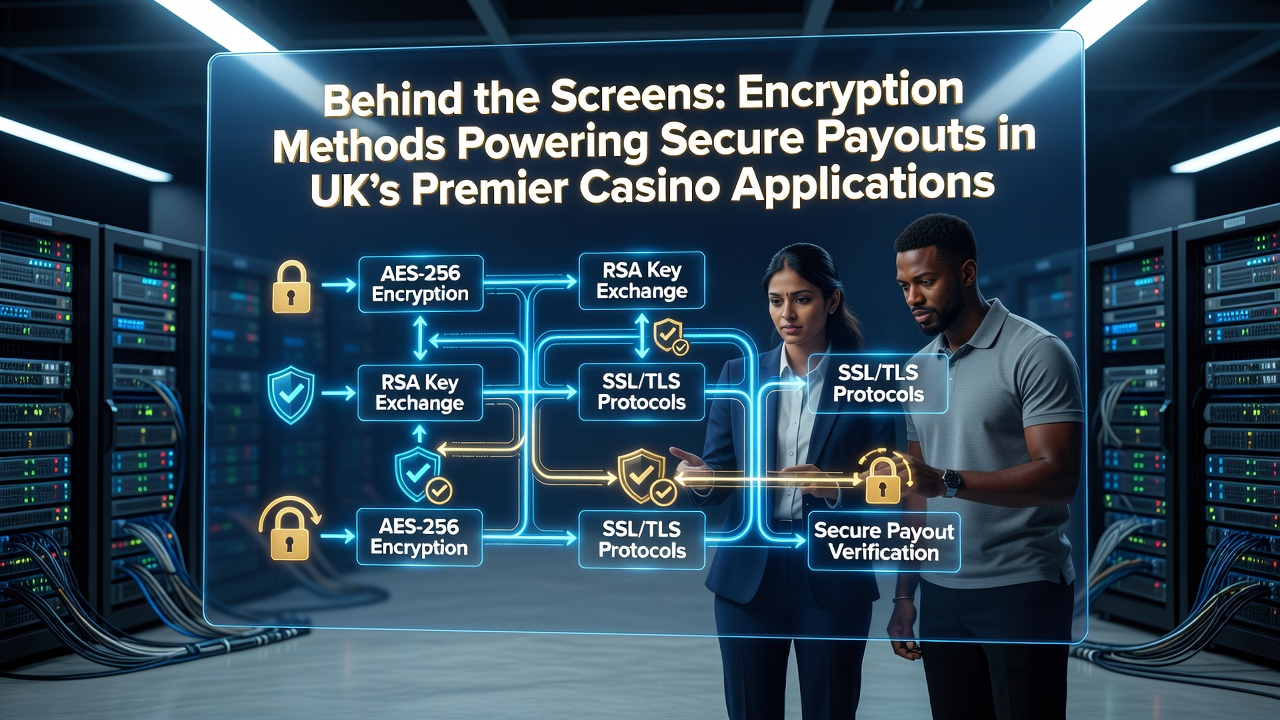
Payment gateways connected to these applications receive tokenized data rather than raw card or account details, with the tokens generated through one-time cryptographic functions. This method appears in applications handling both traditional banking transfers and newer digital wallet options popular among UK players. Academic papers on mobile security highlight how such tokenization limits the usefulness of any intercepted information, since tokens expire quickly and tie directly to specific transactions.
Regulatory and Technical Standards Alignment
Applications serving UK markets align their encryption practices with broader international guidelines rather than single-country mandates. Sources from the National Institute of Standards and Technology outline recommended key lengths and algorithm selections that many operators adopt as baseline requirements. Meanwhile, research published by the Canadian Centre for Cyber Security demonstrates comparable approaches in North American gaming environments, underscoring the global nature of these technical choices. Developers often reference both documents when auditing payout systems for compliance and resilience.
Penetration testing occurs at regular intervals, with teams simulating attacks against encrypted channels to measure response times and detection capabilities. Results from such exercises appear in aggregated industry reports that track trends across multiple jurisdictions. One study released in early 2026 noted measurable improvements in key rotation frequency among apps that introduced automated monitoring tools, reducing the window during which any single session key remains active.
Emerging Techniques and Future Directions
Quantum-resistant algorithms are entering evaluation phases within several development teams focused on UK casino software. These post-quantum methods aim to protect against future computational advances that could challenge current RSA and elliptic curve systems. Although widespread deployment remains limited, pilot programs have tested hybrid approaches that combine classical and newer primitives during payout authorization. Data from these trials suggests minimal impact on user experience while extending long-term security margins.
Blockchain-based verification layers have also surfaced in select applications, where distributed ledgers record payout hashes without exposing underlying transaction values. This technique provides an immutable audit trail that complements traditional encryption, allowing independent verification of completed transfers. Observers tracking these developments note that integration remains selective, often limited to specific payment methods popular with mobile users.
Conclusion
Encryption methods continue to evolve alongside mobile technology and payment innovation in UK casino applications. The combination of TLS handshakes, AES encryption, tokenization, and emerging post-quantum options creates layered protection around payout processes. Research from multiple international bodies confirms that these practices draw from established standards while adapting to operational demands specific to real-time gaming environments. As new threats and technologies emerge, ongoing testing and protocol updates maintain the integrity of secure transactions across premier platforms.