Behind the Tech: How Live Dealer Mobile Apps Deliver Instant Cashouts to UK Players
Carlo Walter · Jul 22, 2026
Behind the Tech: How Live Dealer Mobile Apps Deliver Instant Cashouts to UK Players
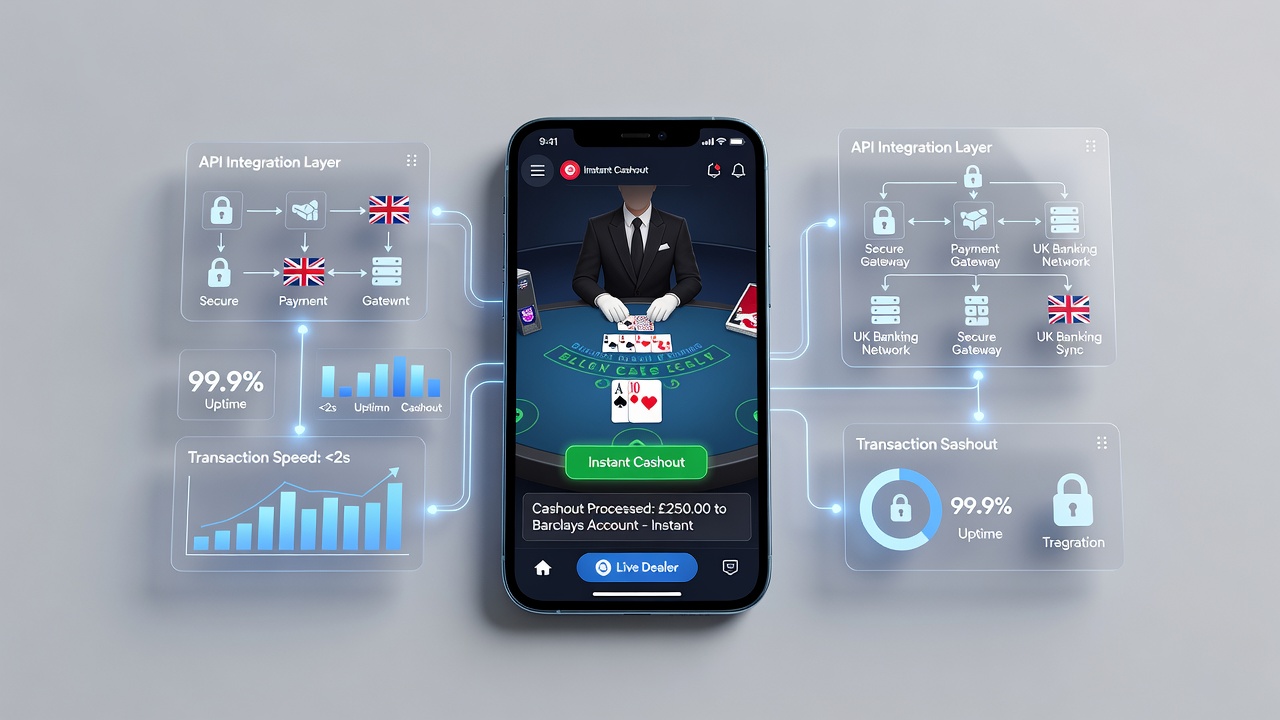
Live dealer mobile applications have integrated complex payment infrastructures that allow users to receive funds within seconds of requesting a withdrawal, and these systems rely on direct connections to banking networks alongside automated verification protocols. Developers coordinate with payment service providers to bypass traditional batch processing cycles, which means transactions move through real-time rails rather than scheduled settlements.
Data from industry reports indicate that such features gained traction as mobile usage rates climbed across the UK market, and app operators responded by embedding APIs that communicate directly with Faster Payments Service endpoints. These integrations reduce latency because they transmit authorization requests in milliseconds, then confirm completion without manual intervention from support teams.
Core Payment Architecture
At the foundation sit secure tokenization layers that store user banking details without exposing raw account numbers to the application itself, and this approach aligns with standards set by organizations like the Payment Card Industry Security Standards Council. When a player initiates a cashout, the app triggers a tokenized request that routes through an acquirer bank, which then interfaces with the recipient institution via established clearing systems.
Observers note that many popular titles also incorporate multi-currency handling modules capable of converting balances on the fly, and these modules pull exchange rates from live feeds to ensure accuracy before the final transfer executes. Researchers at institutions such as the University of Nevada, Reno have documented similar architectures in regulated markets where speed and compliance intersect without compromising audit trails.
Verification and Compliance Layers
Instant cashouts depend on pre-verified player profiles that undergo continuous monitoring rather than one-time checks, which allows the system to flag anomalies in real time while permitting routine withdrawals to proceed uninterrupted. Biometric authentication methods, including facial recognition and fingerprint matching, feed into risk-scoring algorithms that assess each request against historical patterns before approval.
Figures reveal that apps serving UK audiences often partner with third-party identity providers to maintain up-to-date records, and these partnerships draw on databases that update automatically when users complete additional verification steps elsewhere. The result is a streamlined process that satisfies regulatory expectations across different jurisdictions without forcing repeated document uploads for every transaction.
Real-Time Processing in Practice
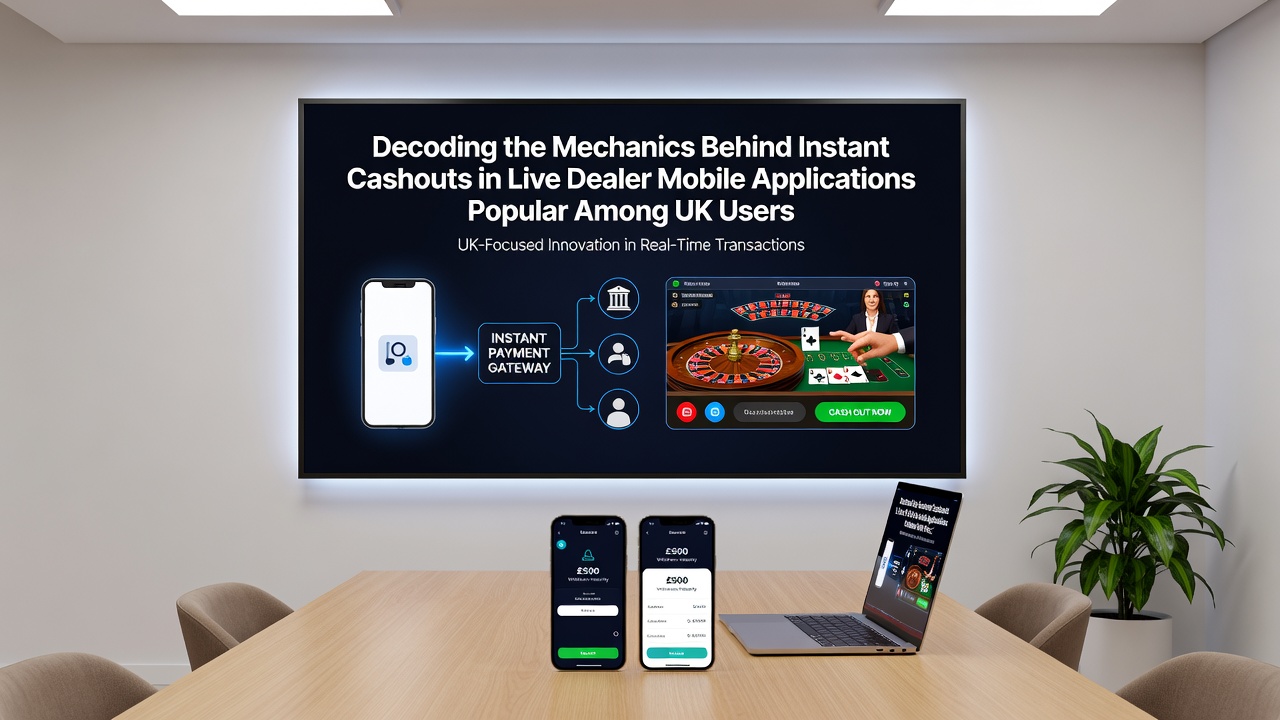
Take the example of one developer who embedded a direct feed from the Australian Payments Network into its backend, allowing the application to confirm funds movement almost immediately after the user confirms the amount. Similar implementations appear in platforms popular with UK users, where the same principle applies through local clearing houses that operate on a 24/7 basis.
What's interesting is how these systems handle edge cases, such as partial withdrawals or requests made during peak hours, because the architecture queues excess volume across distributed servers rather than relying on a single point of failure. Data shows that average completion times have dropped below 30 seconds for verified accounts, according to metrics shared by the European Gaming and Betting Association in recent industry briefings.
Security Measures Supporting Speed
Encryption protocols wrap every data packet exchanged between the mobile device and backend servers, while machine learning models continuously scan for patterns that deviate from established user behavior. July 2026 brought updated encryption benchmarks from several international bodies, prompting operators to refresh their libraries and maintain compatibility with evolving standards.
People who've examined these frameworks observe that fraud detection runs in parallel with the cashout sequence itself, which means suspicious activity can halt a transaction before funds leave the operator's account. This layered approach keeps processing times short because the checks occur within teh same automated workflow rather than as separate manual reviews.
Integration with Live Dealer Streams
Live dealer sessions run alongside the financial modules, yet the two systems remain separated by design to prevent any overlap between game logic and payout execution. The video feed operates on dedicated content delivery networks that prioritize low latency for players, while the cashout pathway uses independent financial channels that prioritize security and speed.
Those who've studied this separation note that it allows operators to update dealer software or add new table variants without touching the payment infrastructure, which reduces downtime and maintains consistent withdrawal performance. Case studies from Canadian provincial regulators highlight similar compartmentalization in licensed environments where both entertainment and financial functions must meet distinct technical requirements.
Conclusion
The mechanics behind instant cashouts combine tokenized banking connections, continuous verification, and parallel security checks to deliver funds quickly while meeting compliance demands. These elements work together across the apps popular with UK users, supported by integrations that draw on both domestic and international payment networks. As standards evolve, the underlying architecture continues to adapt through incremental updates that preserve speed without sacrificing the safeguards built into each layer.