Customization Trends Redefining Mobile Casino App Interfaces Through Player Input
Theo Koch · Jul 19, 2026
Customization Trends Redefining Mobile Casino App Interfaces Through Player Input
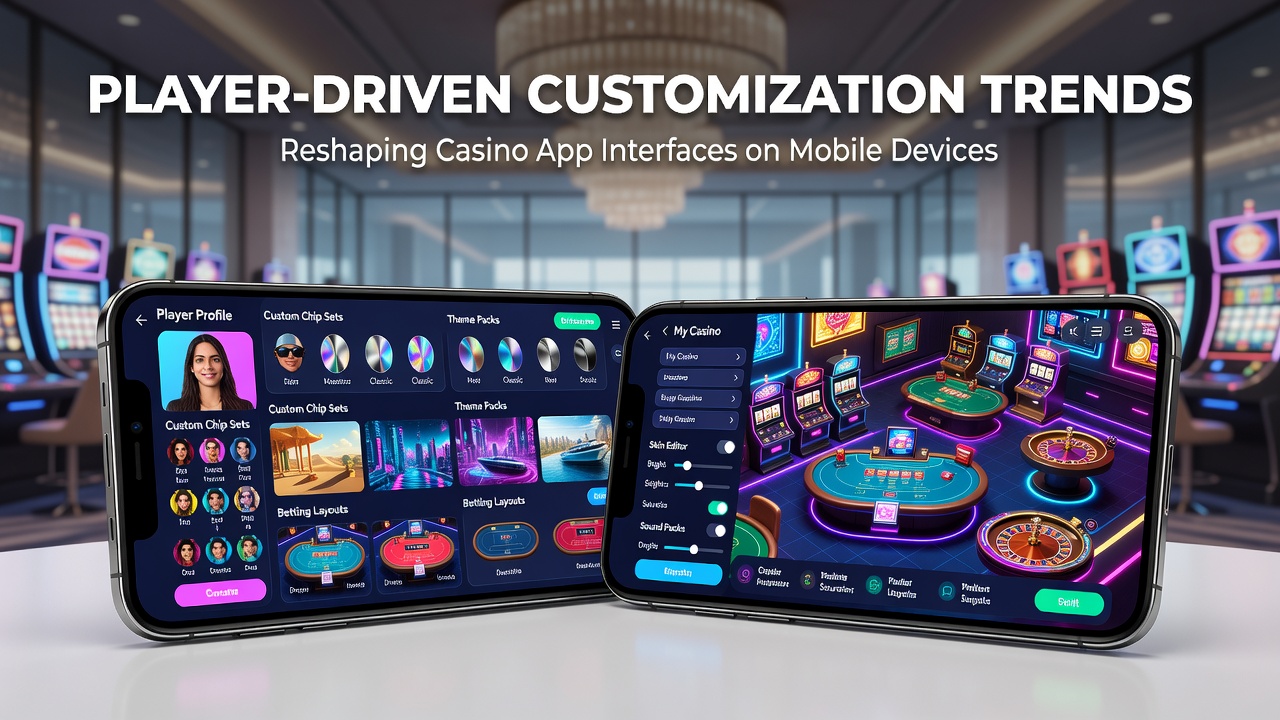
Player feedback has pushed developers to integrate deeper customization layers into mobile casino applications, allowing users to adjust visual themes, control placements, and notification settings according to individual preferences. Data from industry reports indicate that apps incorporating these options see higher retention rates compared to static designs, with figures revealing engagement increases of up to 25 percent in tested markets during 2025.
Key Customization Elements Emerging in 2026
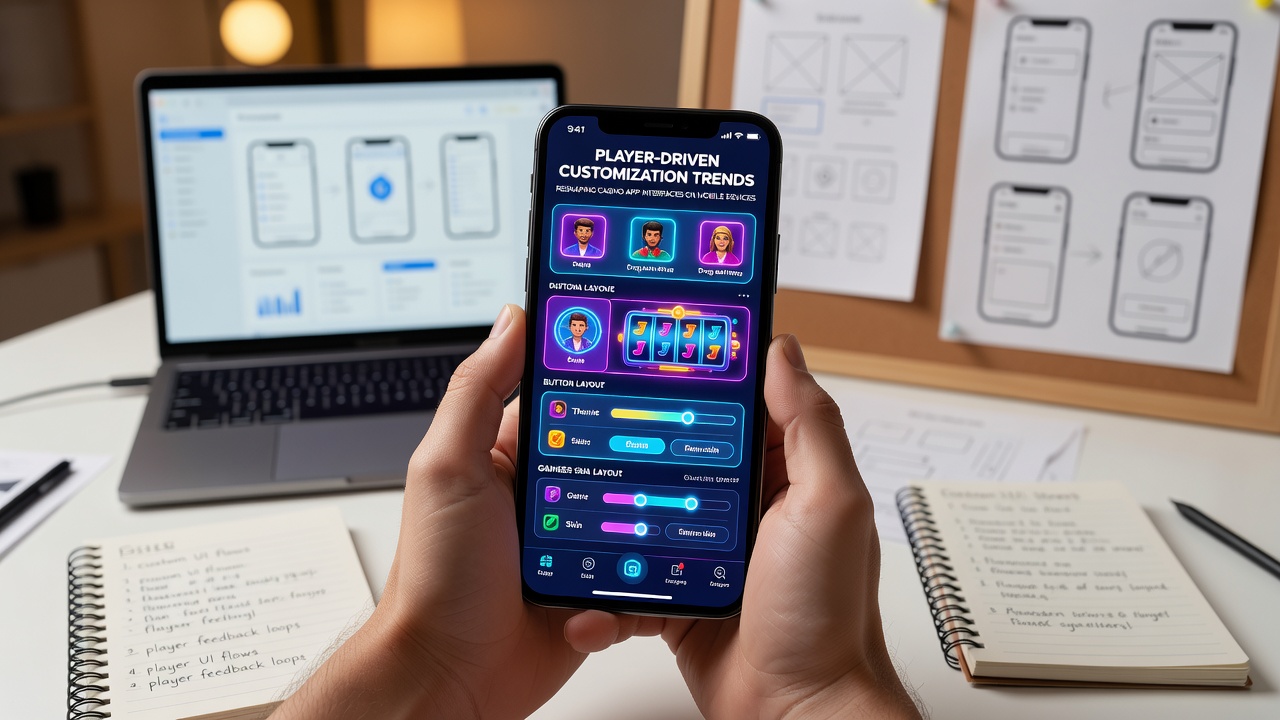
Developers have responded by offering modular interface builders where users select from multiple color palettes, icon styles, and dashboard arrangements that persist across sessions. Research indicates these features address varying play styles, as some prefer minimalistic screens while others opt for detailed statistics panels visible at all times. Observers note that such flexibility aligns with broader mobile software trends where personalization drives daily active use.
Control remapping stands out as another area of focus, enabling players to reposition betting buttons or quick-spin options based on hand dominance and screen size. Those who've studied app analytics report that right-handed and left-handed configurations now appear as standard toggles in several leading titles, reducing accidental taps that previously disrupted sessions. What's interesting is how these adjustments integrate with accessibility tools, including larger tap zones and high-contrast modes required under various regional standards.
Regional Regulatory Influences on Design Flexibility
Authorities in Nevada through the Gaming Control Board have issued guidelines that encourage operators to maintain core functionality while permitting cosmetic changes, ensuring compliance without restricting player choice. Similar approaches appear in Australian frameworks where state-level bodies review app updates for fairness before broader rollout. These policies create space for customization without compromising security protocols or responsible gaming prompts that must remain visible regardless of theme selections.
Industry organizations such as the American Gaming Association have compiled data showing that customized interfaces correlate with improved compliance rates for age verification and session limits. Figures reveal operators implementing player-driven options report fewer support tickets related to navigation issues, freeing resources for other enhancements.
By July 2026, several platforms plan expanded avatar systems and profile badges tied directly to gameplay milestones, allowing visual representation of achievements within the app environment. This builds on existing reward mechanics but shifts emphasis toward self-expression rather than solely monetary incentives.
Data Patterns Supporting Broader Adoption
Academic studies from institutions like the University of Nevada, Las Vegas have examined user behavior across multiple devices, finding that those granted layout control complete more sessions per week on average. The research highlights how demographic factors influence preferences, with younger users favoring vibrant animations and older demographics selecting subdued palettes for reduced eye strain during extended play.
Trade groups tracking global markets note parallel developments in European and Asian app ecosystems, where localization extends beyond language to include culturally relevant iconography and sound options. These layered choices require backend systems capable of storing individual profiles without impacting load times or battery performance, challenges that developers continue to address through cloud-based preference syncing.
Technical Implementation Challenges and Solutions
Engineers face the task of balancing customization depth with performance consistency across iOS and Android versions, ensuring that selected themes do not interfere with real-time game rendering. Solutions include lightweight asset packs downloaded on demand and cached locally for offline access. Data shows these optimizations maintain frame rates even when multiple visual elements activate simultaneously.
Security remains integral, with encryption applied to stored preferences so that personal configurations cannot be accessed by unauthorized parties. Regulatory bodies in Canada and Singapore have reviewed such implementations, confirming that customization does not create new vulnerabilities in transaction processing or account management flows.
Conclusion
Player-driven customization continues to influence mobile casino app evolution through measurable shifts in design priorities and feature rollouts. Evidence from regulatory reviews, academic analysis, and industry metrics demonstrates sustained interest in interfaces that adapt to user specifications while upholding operational standards. As platforms refine these capabilities, the focus remains on delivering adaptable experiences that align with documented player behaviors across diverse markets.