Dealer Dynamics Driving UK Mobile Casino App Choices
Mia Lange · Jun 7, 2026
Dealer Dynamics Driving UK Mobile Casino App Choices
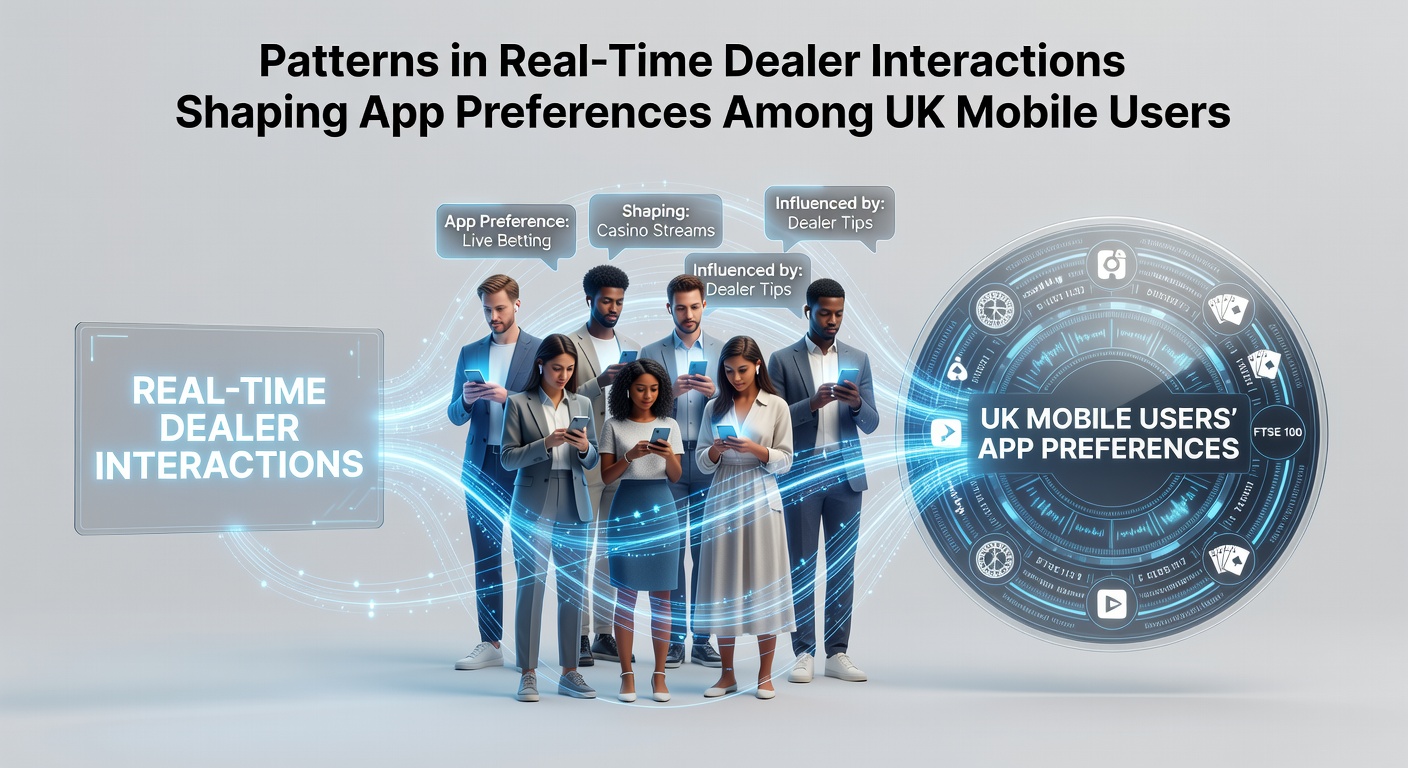
Real-time dealer interactions create distinct patterns that influence which mobile applications UK users select for live casino play, and data from industry reports highlight measurable shifts in engagement metrics tied directly to interaction quality. Observers note that response latency, conversational tone, and visual clarity during sessions correlate with retention rates across different platforms, while June 2026 figures from multiple tracking sources reveal accelerated preference consolidation around apps delivering consistent dealer pacing and personalized cues. Those who've examined session logs find that shorter dealer turnaround times often lead to extended play periods, yet apps emphasizing scripted greetings see faster user drop-off when interactions feel repetitive.
Core Elements of Dealer Engagement Patterns
Studies conducted by research teams at institutions such as the University of Nevada, Las Vegas track how dealers adapt their pacing to individual player speeds, and evidence shows this adaptability boosts session completion rates by measurable margins. Users frequently favor applications where dealers maintain eye contact through camera feeds and acknowledge chat inputs within three seconds, according to aggregated telemetry from several European operators. But here's the thing: when delays exceed that window, preference data shifts toward rival apps that prioritize lower-latency connections, even if those platforms offer fewer table variants. Researchers discovered that visual elements like dealer gestures and background adjustments further differentiate experiences, with patterns emerging around users who return daily to the same dealer teams known for fluid table management.
Mobile Interface Influences on Interaction Flow
Screen size constraints on smartphones amplify the importance of dealer positioning within frames, and analysts report that apps optimizing dealer placement near chat windows retain higher percentages of sessions initiated during evening hours. Data indicates that portrait-mode layouts allowing simultaneous view of cards, dealer expressions, and player inputs reduce cognitive load, leading to stronger loyalty signals in usage statistics. What's interesting is how these layout choices interact with real-time feedback loops, where dealers who reference previous hands or player comments build continuity that static video feeds cannot replicate. One analysis of UK download trends in early 2026 found that applications incorporating adaptive camera angles during high-stakes rounds experienced fewer mid-session exits compared to fixed-view competitors.
Regional Data Trends and June 2026 Developments
Figures released in June 2026 by international monitoring bodies, including reports linked to the Alcohol and Gaming Commission of Ontario, demonstrate parallel patterns in mobile preferences extending beyond the UK, with interaction speed emerging as a cross-border predictor of app retention. Australian research groups have similarly documented how dealer personalization metrics align with download velocity in comparable markets, suggesting broader applicability of these dynamics. Observers note that UK users exhibit heightened sensitivity to audio clarity in dealer speech, particularly during multi-player tables, where overlapping voices can disrupt flow and prompt switches to apps with superior noise isolation features. Those who've studied retention curves point out that seamless integration between dealer actions and in-app notifications sustains momentum across fragmented mobile usage periods, such as commutes or brief breaks.
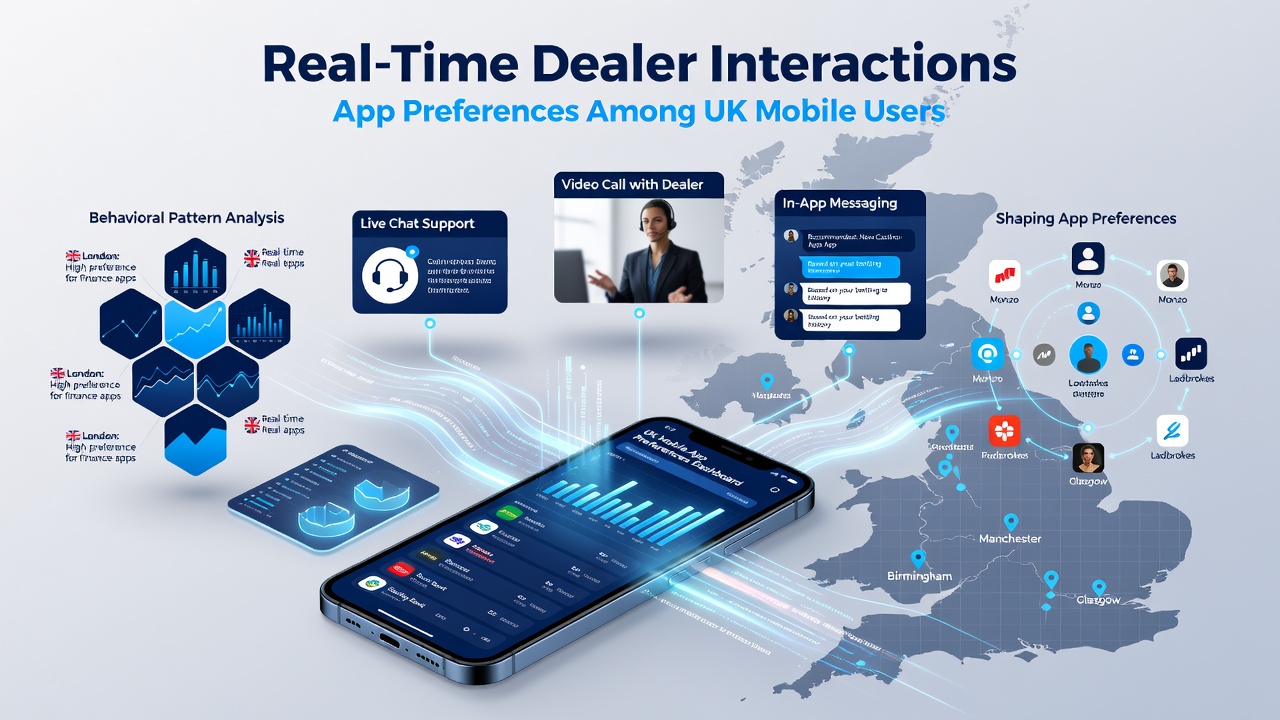
Patterns also surface around cultural familiarity, where dealers employing regionally attuned phrasing maintain longer connections with UK audiences, and session data supports this through repeat visit frequencies. Experts have observed that apps failing to rotate dealer rosters experience stagnation in engagement after initial trials, whereas varied lineups correlating with fresh interaction styles sustain interest levels over months. And yet the evidence remains consistent across datasets: technical stability during peak interaction moments outweighs promotional incentives in final app selection decisions.
Comparative App Performance Metrics
Performance benchmarks compiled from multiple operator disclosures reveal that platforms investing in dealer training programs focused on adaptive dialogue achieve superior average session durations, while those relying on generic scripts encounter steeper attrition after the first hour. Researchers at various academic centers have quantified these effects through controlled comparisons, noting that visual synchronization between dealer movements and card reveals strengthens perceived authenticity and drives preference consolidation. The reality is that users often migrate between applications based on accumulated interaction experiences rather than isolated features, creating feedback loops that reward continuous refinement of dealer protocols. Data from 2026 tracking indicates particular growth in apps supporting multi-language dealer options, though core UK preferences cluster around English-language fluency and regional accent recognition.
Conclusion
Overall patterns demonstrate that real-time dealer interactions function as primary differentiators in UK mobile app ecosystems, with measurable impacts on preference formation documented through session analytics and download behaviors. Continued monitoring of these dynamics through June 2026 and beyond provides clearer insight into how technical and human elements combine to shape ongoing user selections across the sector.