Decoding Cross-Device Sync Features That Shape Live Dealer Sessions in Portable UK Gaming Platforms
Carlo Walter · Jul 29, 2026

Decoding Cross-Device Sync Features That Shape Live Dealer Sessions in Portable UK Gaming Platforms
Portable UK gaming platforms have integrated cross-device synchronization tools that allow players to maintain uninterrupted live dealer sessions when switching between smartphones, tablets, and other connected devices, and these features rely on cloud-based session tracking combined with low-latency data streaming protocols. Developers embed APIs that capture real-time game states, player balances, and dealer interactions so the experience continues without restart or loss of continuity when users move from one screen to another.
Core Mechanics Behind Device Synchronization
Engineers at major platforms build synchronization layers that use secure token exchanges and encrypted session handoffs, which means a roulette spin initiated on a phone can resume instantly on a tablet without reloading the dealer feed or resetting bets. Data packets travel through centralized servers that store game progress at millisecond intervals, and this architecture supports both iOS and Android environments while complying with portability standards set by various international gaming bodies.
Research from the European Gaming and Betting Association indicates that synchronized sessions reduce average reconnection times by up to 85 percent compared with non-synced applications, and operators report higher retention rates once these tools become standard. The process involves background authentication checks that verify device identity and user credentials before transferring the live stream, yet the player encounters only a brief loading animation at most.
Effects on Live Dealer Interaction Quality
Live dealer sessions benefit directly from these sync capabilities because dealers remain visible and interactive across device changes, which preserves the social atmosphere that distinguishes real-time tables from automated games. Observers note that players who switch devices mid-session maintain consistent chat access and betting interfaces, and this continuity encourages longer engagement periods without the friction of rejoining queues or re-entering game lobbies.
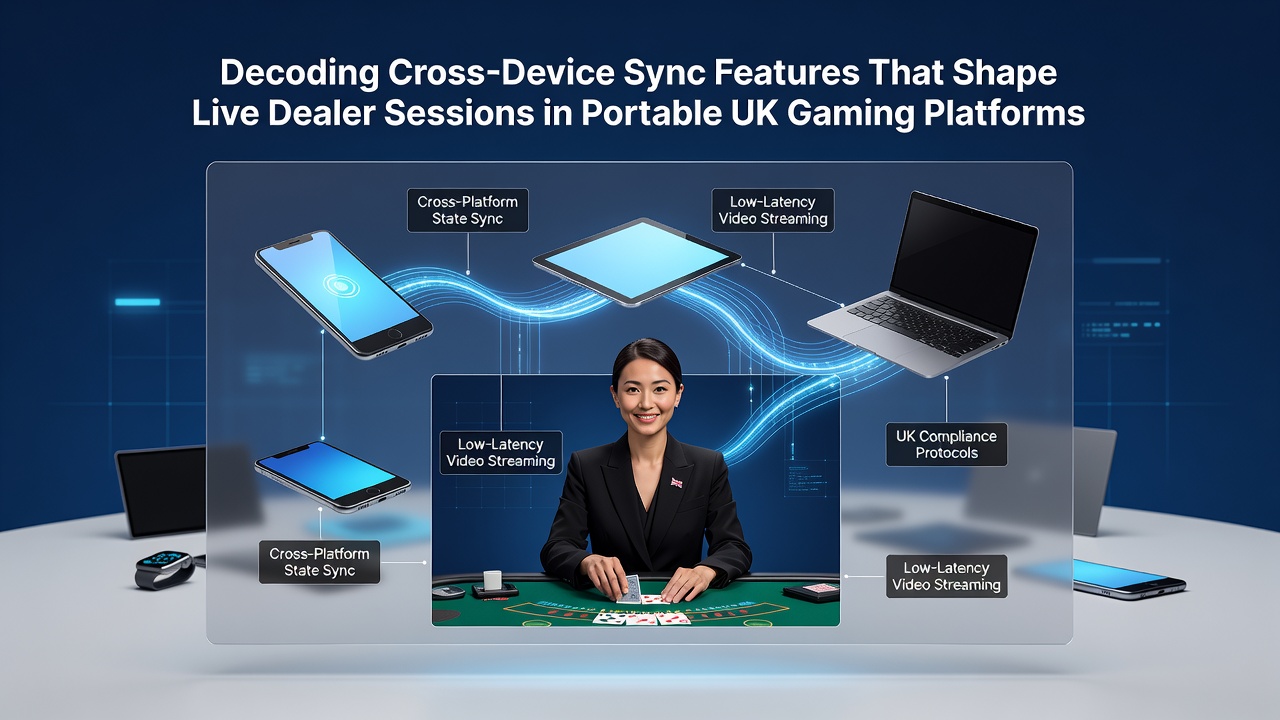
Audio and video streams adapt dynamically to available bandwidth on each device, so a high-definition dealer view on a tablet scales down smoothly when the session moves to a smaller phone screen during travel. Platform logs from July 2026 show that synchronized sessions experience fewer dropouts during peak evening hours, and this stability stems from predictive caching that pre-loads dealer video segments on secondary devices before any switch occurs.
Security and Compliance Considerations
Security protocols wrap every sync event in multi-factor verification steps that include biometric checks on newer hardware, and these measures help operators meet data protection expectations across jurisdictions. A study published by researchers at the University of Nevada, Reno found that encrypted handoff systems lowered unauthorized access incidents in tested mobile environments by measurable margins, while still allowing rapid device transitions.
Operators integrate geolocation services that confirm UK-based activity remains within licensed boundaries even as users move between home Wi-Fi and mobile data networks, and this layered approach supports responsible gaming tools that track session length across all devices simultaneously. Updates rolled out in mid-2026 refined these location checks to operate in the background without interrupting dealer interactions.
Player Experience Patterns and Platform Adoption
Those who study user behavior report that synchronized live dealer play sees increased adoption among commuters and travelers who begin sessions at home then continue elsewhere, and the feature set includes saved camera angles plus personalized dealer preferences that travel with the account. Case examples from several UK-facing platforms illustrate how push notifications alert users when a preferred table opens on their alternate device, reducing wait times and encouraging return visits.
Integration challenges arise when older devices encounter compatibility gaps with newer sync protocols, yet most operators now provide fallback modes that preserve core session data even if full video quality drops temporarily. Data compiled by the National Council on Responsible Gaming highlights that seamless cross-device access correlates with more controlled play patterns because players can pause and resume without losing progress or incentive structures.
Conclusion
Cross-device synchronization continues to define how live dealer sessions function on portable UK gaming platforms by delivering uninterrupted continuity, adaptive streaming, and secure handoffs that maintain both regulatory standards and player engagement. As hardware evolves and network infrastructure improves through 2026 and beyond, these features are expected to expand further, embedding deeper personalization while preserving the real-time social elements that attract users to live tables in the first place.