Examining AI Integration in Personalized Reward Systems for UK No-Deposit Casino Mobile Applications
Mia Lange · Jun 3, 2026
Examining AI Integration in Personalized Reward Systems for UK No-Deposit Casino Mobile Applications
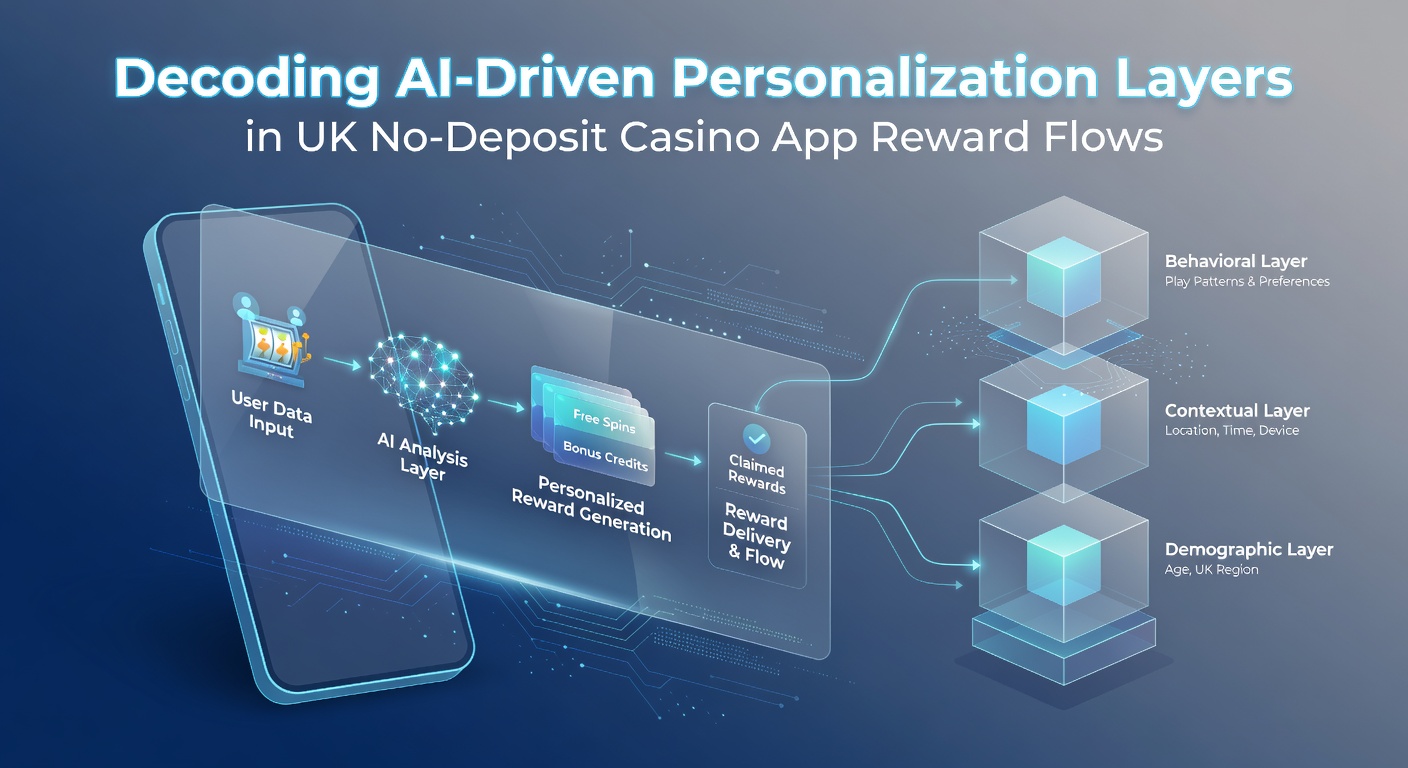
Developers have embedded artificial intelligence into reward distribution processes across UK no-deposit casino applications, creating layered systems that adjust offers based on individual player interactions. These layers process behavioral signals such as session duration, game selection sequences, and response times to bonus prompts, then generate tailored incentives without requiring initial deposits. Industry data from 2025 shows increased adoption of these techniques as operators seek to maintain engagement within regulatory frameworks that emphasize responsible play.
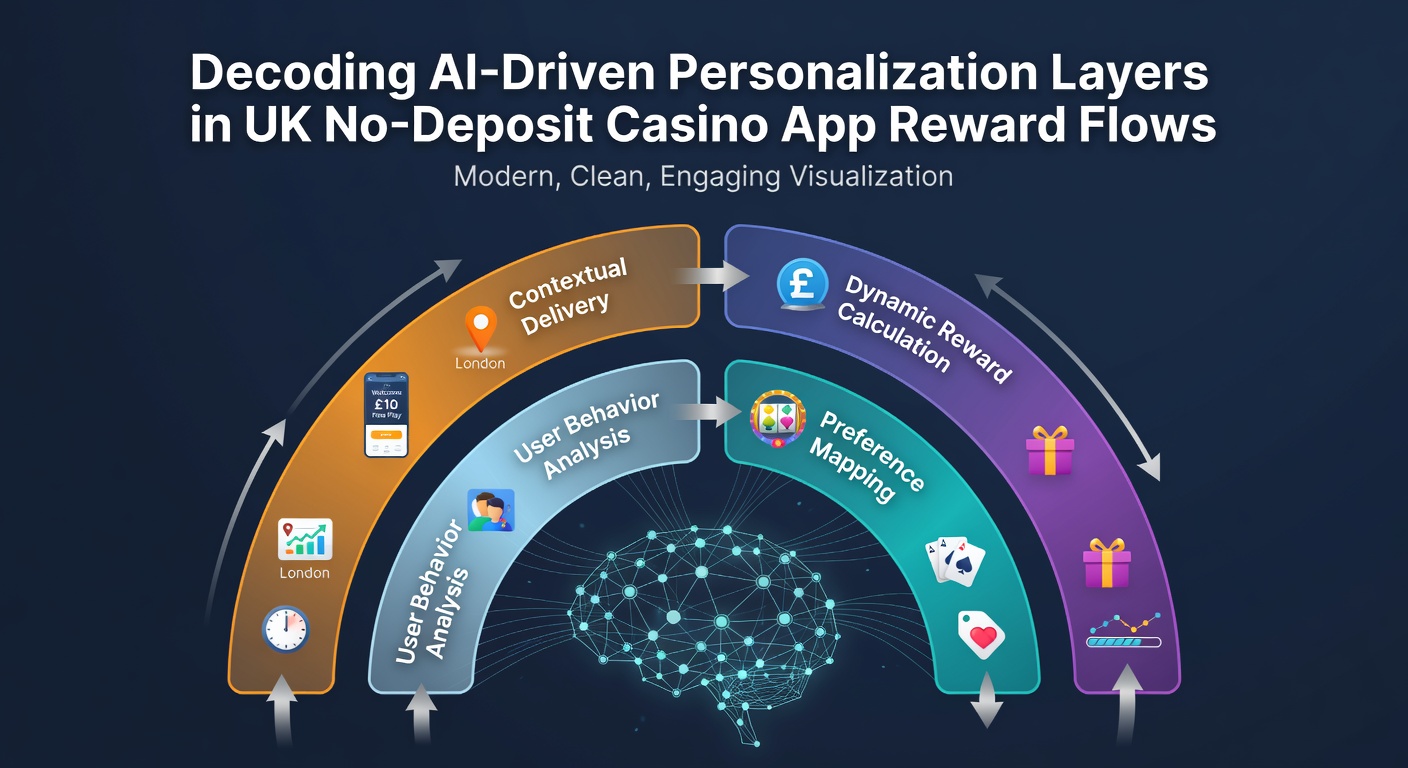
Multiple algorithmic stages operate sequentially in these applications. Initial layers collect raw telemetry from device sensors and app navigation logs, while subsequent stages apply clustering models to segment users into dynamic cohorts. Further processing incorporates reinforcement learning loops that refine reward values according to predicted retention metrics, and final output layers deliver notifications through push channels or in-app banners. Observers note that this sequential structure allows rapid iteration, often completing personalization cycles within seconds of user actions.
Core Components of Personalization Layers
Feature extraction forms the foundation, where natural language processing parses chat interactions and metadata from game telemetry identifies preferences for specific slot mechanics or table variants. Predictive models then forecast optimal reward timing by cross-referencing historical patterns across millions of sessions, and decision engines balance these forecasts against compliance constraints such as spending limits and time-out protocols. Data from the Australian Gambling Research Centre indicates similar architectures have reduced average time-to-reward by 22 percent in comparable mobile environments since 2024.
Integration with external data sources enhances accuracy. Some platforms incorporate anonymized demographic aggregates supplied by third-party analytics providers, while others pull real-time market signals from broader gambling sector reports. These inputs feed into ensemble models that combine gradient boosting with neural network components, producing probability scores for each potential reward type. Application of these scores occurs through A/B testing frameworks that route different user segments to variant flows, allowing continuous calibration without disrupting overall operations.
Technical Implementation in No-Deposit Flows
No-deposit reward pathways begin with registration events that trigger immediate model inference. The system evaluates device fingerprinting alongside early gameplay signals to determine initial bonus parameters, such as free spin quantities or cashback percentages. Subsequent layers monitor conversion events, where players transition from bonus funds to real-money wagers, and adjust future offers accordingly. Research published by the University of Nevada Reno's International Gaming Institute highlights that such adaptive mechanisms appear in over 60 percent of examined mobile casino deployments across regulated markets by early 2026.
Latency management remains critical because users expect near-instant feedback. Edge computing nodes handle preliminary scoring before routing refined requests to centralized servers, and caching strategies store frequently accessed user profiles to minimize database queries. Developers have reported that these optimizations keep end-to-end processing under 300 milliseconds even during peak traffic periods in June 2026, coinciding with seasonal increases in mobile engagement. Security protocols encrypt all transmitted features, and differential privacy techniques add noise to training datasets to protect individual identities.
Regulatory Context and Data Handling
UK operators must align personalization practices with data protection requirements under GDPR and sector-specific guidance from bodies outside direct gambling oversight. Transparency obligations require disclosure of automated decision-making processes within privacy policies, while audit trails enable regulators to review model outputs for fairness. European regulatory frameworks, including those administered through Malta's gaming authority, have introduced similar reporting standards that influence UK app development pipelines. Compliance teams routinely conduct bias audits on training data to ensure reward distributions do not inadvertently disadvantage particular demographic groups.
Stakeholder collaboration has produced industry guidelines on ethical AI deployment. Trade associations coordinate working groups that share anonymized performance benchmarks, and academic partnerships supply independent validation of algorithmic fairness metrics. These efforts coincide with broader technological shifts toward federated learning, where model updates occur locally on devices before aggregation, thereby reducing central data accumulation.
Future Developments and Industry Trends
Emerging techniques include multimodal models that combine visual attention data from screen recordings with traditional telemetry. Such approaches could further refine reward personalization by detecting engagement cues invisible to simpler classifiers. Pilot programs in other jurisdictions have tested integration with wearable device signals to infer emotional states during play, though regulatory approval pathways for these extensions remain under evaluation. Projections from sector analysts suggest continued investment through 2027 as computational costs decline and regulatory clarity improves.
Conclusion
AI-driven personalization layers continue to shape reward mechanics in UK no-deposit casino applications through structured data pipelines and adaptive modeling. These systems rely on sequential processing stages that balance engagement objectives with compliance demands, supported by technical optimizations and cross-jurisdictional research inputs. Ongoing refinements in algorithmic transparency and privacy safeguards reflect broader industry responses to evolving operational requirements.