Fee Adjustments Ripple Through Live Dealer App Development in Britain
Carlo Walter · Aug 2, 2026
Fee Adjustments Ripple Through Live Dealer App Development in Britain
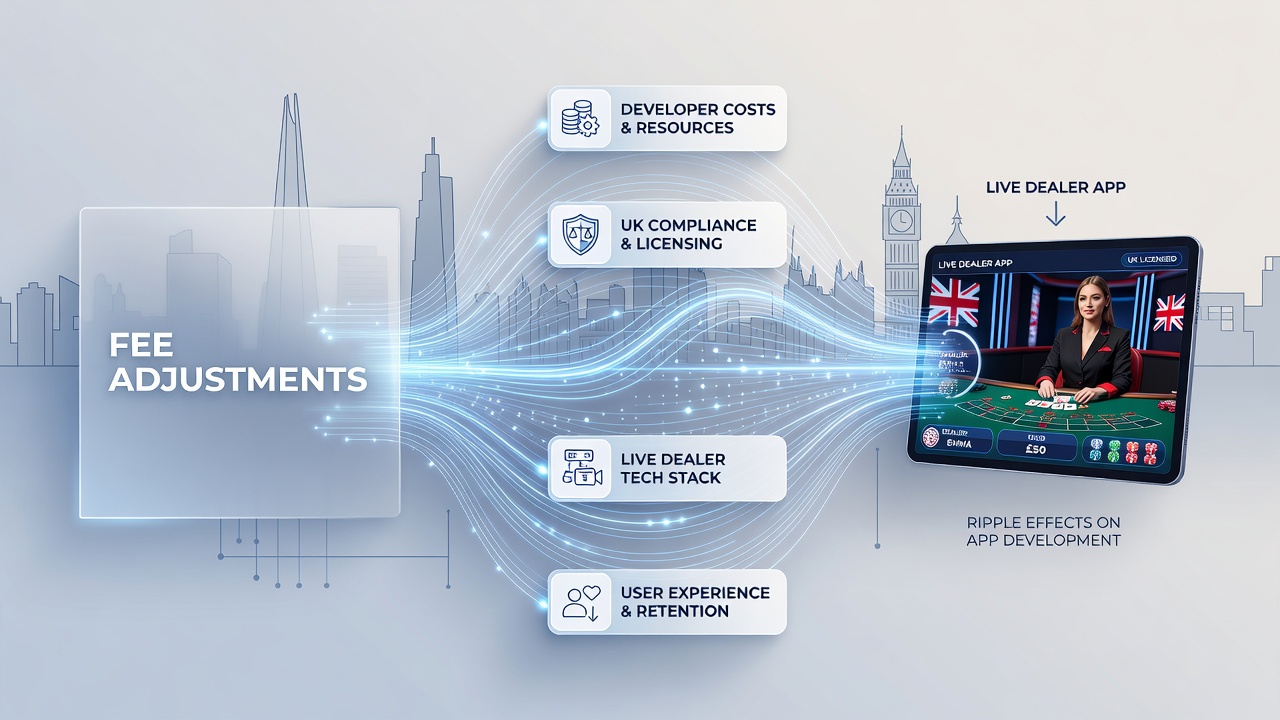
Data from industry reports shows licence fee adjustments have begun reshaping development budgets for live dealer applications targeting British players, with changes taking effect through the first half of 2026 and further reviews scheduled around August of that year. Observers note these shifts alter how studios allocate resources for real-time streaming technology, dealer interfaces, and compliance tools while operators weigh the costs of maintaining competitive app features across iOS and Android platforms.
Tracking the Scope of Fee Adjustments
Recent modifications to operational licensing costs affect both new market entrants and established developers who supply live dealer content to British-facing apps, and figures from regulatory filings reveal increases in annual renewal fees alongside expanded reporting requirements that demand additional staff time and software upgrades. Those who have studied similar adjustments in other jurisdictions point to parallel patterns where developers respond by streamlining code bases or outsourcing certain testing phases, yet the British market's emphasis on player protection protocols adds layers of verification that cannot be easily reduced.
Research indicates the adjustments coincide with broader economic pressures on the gambling sector, including rising energy costs for data centres that host live streams and higher wages for technical talent familiar with low-latency video integration. Developers often find themselves balancing these factors against the need to deliver uninterrupted dealer interactions that meet British user expectations for speed and reliability.
Direct Effects on App Development Pipelines
Studios building live dealer modules report extended timelines for feature rollouts because budget reallocations now cover higher compliance overhead, and this pattern emerges clearly in projects that incorporate advanced camera systems or multi-table dealer support. Engineers redirect hours previously spent on experimental user interface elements toward documentation and audit preparation, which slows the pace of innovation in areas such as personalised dealer recommendations and augmented reality overlays.
One study revealed that teams working on British market apps have increased their use of modular code frameworks to allow quicker updates when fee structures change again, and this approach reduces duplication across different operator clients. Data shows smaller development houses feel the pressure more acutely, prompting some to seek partnerships with larger firms that already maintain robust compliance infrastructure.

What's interesting is how these cost pressures influence hiring decisions, with studios prioritising specialists in automated testing and regulatory analytics over generalist programmers, and this shift appears in recruitment patterns tracked through the middle of 2026. Observers note the result includes more standardised dealer environments that still deliver high-quality streams while keeping ongoing maintenance expenses predictable.
Market-Wide Consequences for Operators and Players
Operators integrating live dealer apps into their British offerings encounter revised pricing models from suppliers, and these revisions often translate into adjusted promotional structures for end users. According to findings published by the Canadian Gaming Association, similar fee environments in other regions led operators to consolidate their app portfolios, focusing resources on fewer titles with proven retention metrics rather than broad experimental launches.
Evidence suggests British players experience these changes through variations in bonus availability and game variety, since developers concentrate on core live dealer formats that require less frequent code revisions. Yet the overall quality of streaming remains consistent because technical standards set by device manufacturers and network providers continue to drive upgrades independent of licensing fees.
Broader supply chain effects include longer lead times for new game certifications, and this delay stems directly from the additional review layers tied to updated fee schedules. Developers who previously released monthly content drops now operate on quarterly cycles, allowing thorough internal checks that align with the new cost framework.
Adaptation Strategies Across the Sector
Teams across the British live dealer space adopt cloud-based collaboration tools to offset travel and office expenses that once formed part of development overhead, and this transition appears in project management records from multiple studios active in the market. Partnerships with academic institutions, including research groups at the University of Nevada's gaming studies program, provide data-driven insights into efficient resource allocation that help offset fee-related constraints without compromising product integrity.
Those who've examined the timeline note that August 2026 marks a checkpoint where further fee reviews may occur, prompting developers to build flexible roadmaps that accommodate potential adjustments. Such planning includes contingency clauses in supplier contracts and diversified testing environments that can scale up or down based on finalised cost structures.
Conclusion
Fee adjustments continue to influence live dealer app development trajectories in the British market through direct cost impacts and indirect shifts in workflow priorities, and the patterns observed through mid-2026 suggest ongoing adaptation rather than contraction. Data from multiple sources, including the Australian Gambling Research Centre, underscores how developers maintain focus on core streaming reliability and compliance while navigating revised budgets. The sector's response demonstrates measurable changes in project pacing and feature emphasis that will likely persist as operators and studios align with the updated economic landscape.