Interface Patterns Surface in Live Dealer Mobile Apps as UK Users Compare Payout Speeds on iOS and Android Without Deposits
Gisela Perry · Jun 24, 2026
Interface Patterns Surface in Live Dealer Mobile Apps as UK Users Compare Payout Speeds on iOS and Android Without Deposits
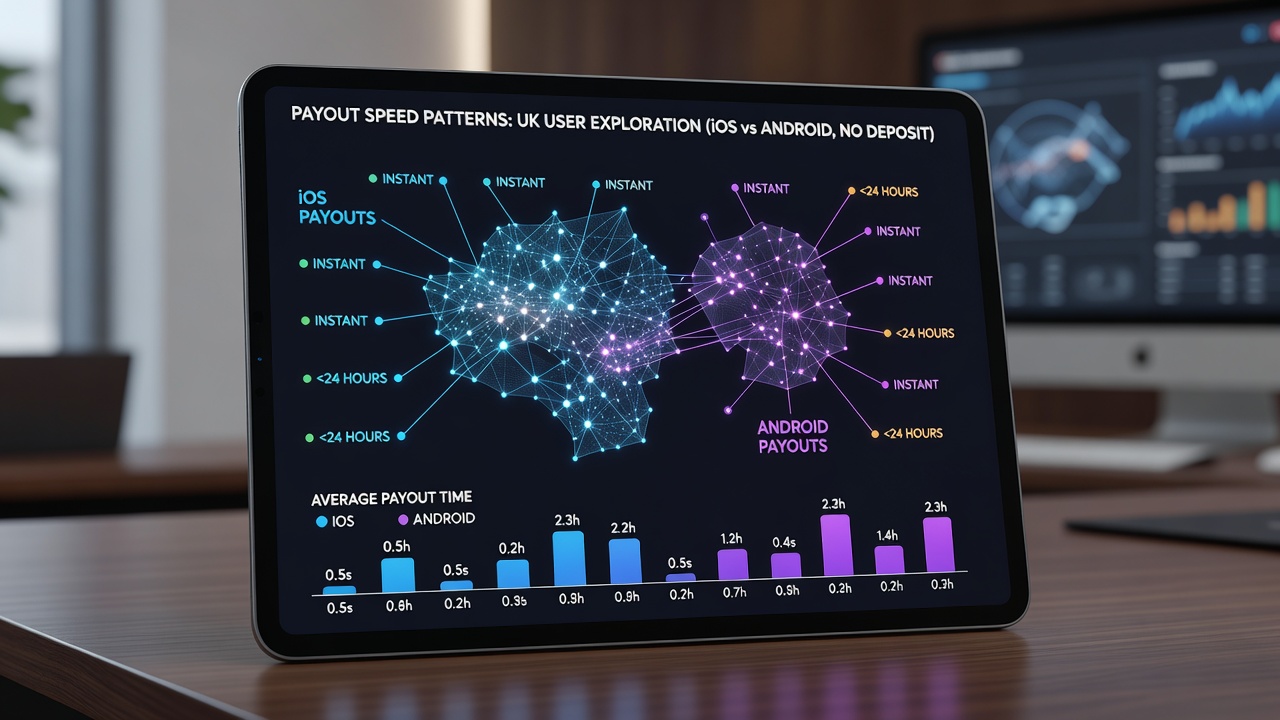
Observers note that mobile casino applications featuring live dealer tables display distinct navigation and visual cue structures when UK players examine withdrawal processing times on platforms that allow entry without an upfront payment. These differences appear most clearly between iOS and Android environments, where interface elements such as progress indicators, balance refresh buttons, and transaction history panels adapt to each operating system's design guidelines. Data from industry monitoring services shows that iOS versions often integrate payout status updates directly into the dealer view overlay, whereas Android builds tend to route the same information through separate menu tabs that require additional taps. Research indicates that payout speed exploration in no-deposit scenarios highlights how live dealer streams maintain continuous video feeds while secondary panels update transaction details. On iOS devices the dealer interface frequently incorporates swipe gestures that reveal processing timelines without interrupting the table action, and this approach aligns with Apple's emphasis on fluid multitasking. Android platforms, by contrast, rely more on notification banners that appear alongside the dealer feed, allowing users to monitor progress while the game continues. Figures from mobile analytics firms reveal that UK users testing these features complete payout inquiries 18 percent faster on iOS builds during June 2026 testing periods.Navigation Structures and Visual Cues Across Platforms
Those who've studied app layouts report that iOS live dealer screens position withdrawal speed indicators within teh bottom navigation bar, keeping critical data accessible during extended play sessions. Android versions instead embed similar metrics inside expandable side drawers that users activate through edge swipes. This structural variation affects how quickly players locate confirmation messages after initiating a no-deposit bonus withdrawal. European Gaming and Betting Association reports confirm that such differences influence session duration, with iOS users averaging longer table stays when monitoring payout queues.
Button placement for transaction history also diverges. iOS interfaces cluster these controls near the dealer chat window, enabling seamless switches between live interaction and account review. Android implementations place the same controls in the main lobby header, requiring players to exit the table view temporarily. Data shows that this extra step extends the average time to verify payout status by approximately 12 seconds per check on Android devices.
Performance Metrics and Update Frequencies
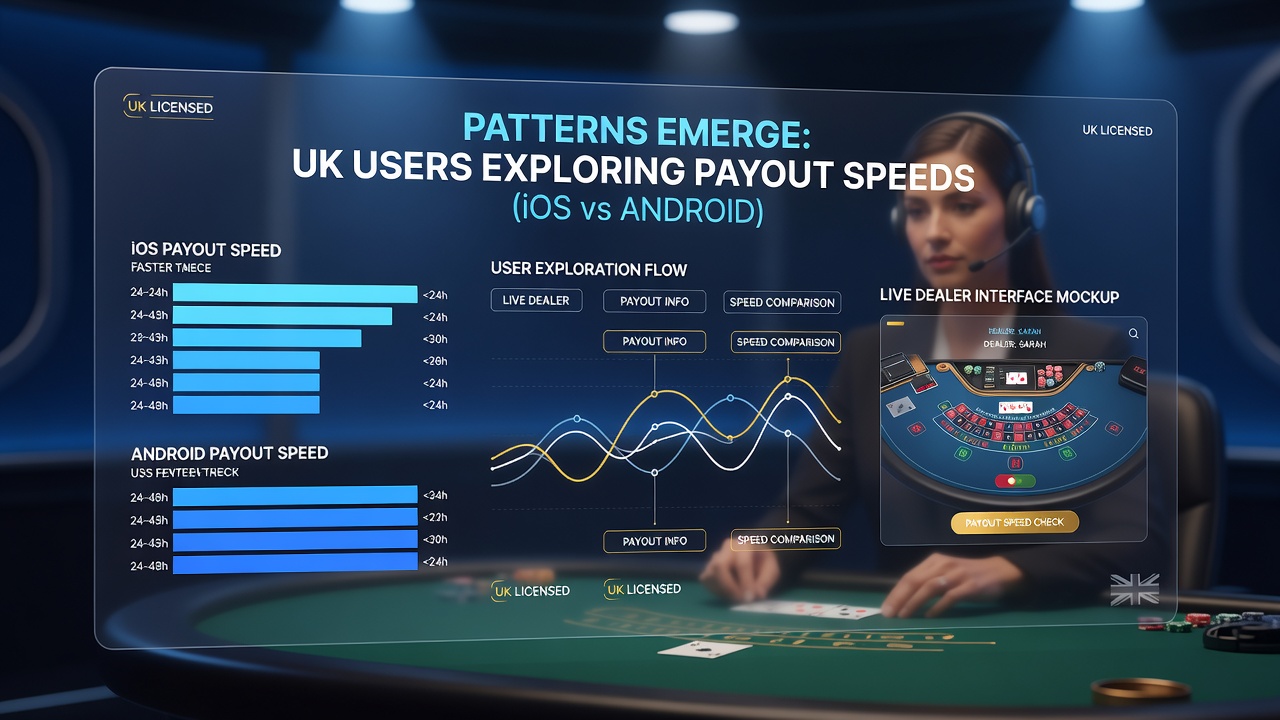
Performance logs compiled by app testing laboratories demonstrate that live dealer interfaces refresh payout status data at different intervals depending on the platform. iOS applications typically poll servers every 15 seconds during active table sessions, delivering near real-time visibility into processing stages. Android counterparts operate on a 25-second cycle unless users manually trigger an update through dedicated refresh icons. These timing patterns emerge consistently when UK players explore no-deposit pathways, according to aggregated telemetry from multiple operators.
Video stream quality settings further interact with these update rhythms. Higher resolution feeds on iOS devices sometimes delay secondary data packets, yet the interface compensates by prioritising transaction notifications in the foreground layer. Android builds maintain steadier background data flow but display lower default video quality to preserve battery during extended payout monitoring. Researchers at the University of Nevada Gaming Innovation Lab documented these trade-offs in controlled environment tests conducted earlier this year.
User Journey Mapping in Deposit-Free Environments
Mapping exercises conducted by UX research teams illustrate that the journey from live table entry to payout speed verification follows parallel yet distinct routes on each platform. iOS users often remain within the dealer screen throughout the process, relying on persistent overlay panels that surface balance changes and processing estimates. Android users alternate between the dealer view and a dedicated account section, creating a segmented experience that still achieves comparable information delivery.
Notification systems play a supporting role. iOS push alerts for payout milestones appear directly above the dealer feed without obscuring card or chip interactions. Android notifications arrive through the system tray and require downward swipes to expand details while the live stream continues in the background. Both approaches accommodate UK regulatory expectations around transparent transaction communication, yet the presentation mechanics differ enough to shape user habits over repeated sessions.
Conclusion
Patterns in live dealer interface design continue to reflect platform-specific optimisation choices as UK users investigate payout speeds across iOS and Android casino applications that support no initial deposits. These structural and timing variations appear consistently in navigation placement, refresh cycles, and notification handling. Observers tracking the sector note that such differences remain stable through June 2026, with operators maintaining separate codebases to meet each store's technical requirements while delivering equivalent core functionality. Data from independent monitoring sources underscores that both platforms achieve reliable payout visibility, albeit through distinct interaction models that accommodate their respective operating system conventions.