Loyalty Systems and Daily Tasks: Retention Strategies in Portable Gambling Apps
Morgan Peters · Jun 5, 2026

Loyalty Systems and Daily Tasks: Retention Strategies in Portable Gambling Apps
Portable gambling platforms have refined loyalty mechanics and daily challenges into core tools that sustain player activity over extended periods, with operators tracking metrics such as session frequency and lifetime value through integrated analytics systems. These features operate by converting routine interactions into structured reward pathways that encourage repeated logins and sustained participation across iOS and Android devices.
Core Components of Loyalty Mechanics
Loyalty programs in mobile gambling environments typically assign points based on wager volume, game variety, and deposit consistency, then convert those points into tiered status levels that unlock escalating benefits. Data from industry reports indicate that players in higher tiers demonstrate retention rates up to 40 percent above baseline users, because the accumulated status creates switching costs that discourage migration to competing applications. Operators structure these systems with progressive multipliers, where weekly activity thresholds unlock bonus multipliers that compound across multiple game categories.
Redemption options range from cashback percentages to exclusive tournament entries, and platform data shows that personalized reward catalogs, generated through player segmentation algorithms, increase redemption rates by aligning offers with individual betting histories. In June 2026 several operators introduced cross-game loyalty ledgers that pool points from slots, table games, and live dealer sessions into a unified balance, reducing fragmentation and allowing seamless progression regardless of preferred title.
Daily Challenges as Engagement Drivers
Daily challenges present players with time-bound tasks such as completing a set number of spins, achieving specific win thresholds, or participating in featured promotions, each tied to incremental rewards that reset every 24 hours. Research from the University of Nevada's gaming studies department demonstrates that platforms incorporating five to seven daily objectives record average session lengths 25 percent longer than those without structured tasks, because the finite window creates urgency that prompts immediate return visits.
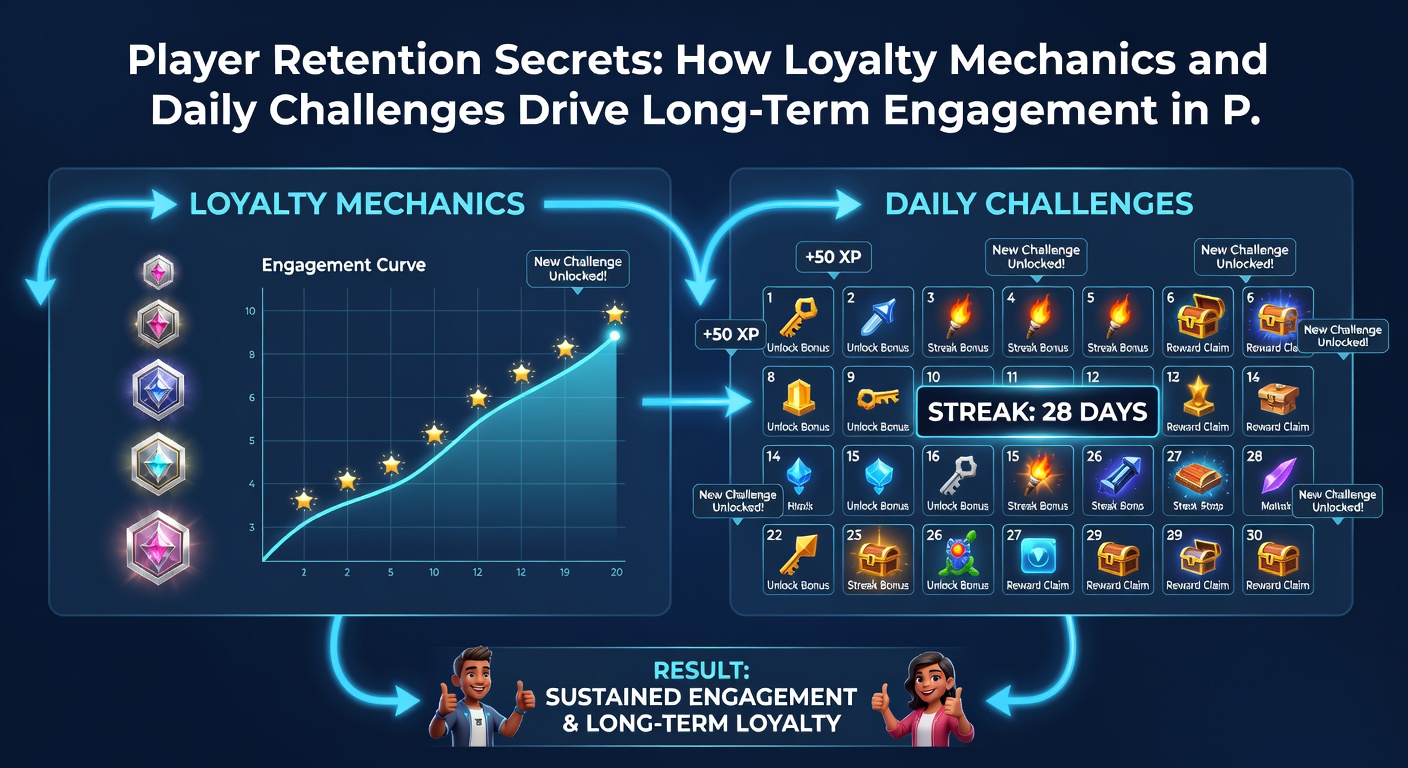
These challenges integrate with loyalty frameworks by awarding bonus points or tier advancement credits upon completion, creating a feedback loop where daily activity accelerates long-term status gains. Observers note that streak multipliers, which increase rewards for consecutive days of task fulfillment, further amplify retention by establishing habit loops that align with user routines outside peak gambling hours.
Integration Patterns Across Platforms
Portable gambling applications combine loyalty mechanics and daily challenges through unified dashboards that display progress toward both immediate rewards and cumulative status milestones. This integration allows operators to surface notifications that reference pending daily tasks alongside tier progression alerts, maintaining visibility without requiring players to navigate multiple menus. Figures from the Australian Gambling Research Centre reveal that applications using such combined interfaces achieve monthly active user retention above 65 percent, compared with 48 percent for apps that separate these systems.
Push notification strategies time messages around challenge expiration windows and loyalty milestone proximity, with A/B testing data indicating that personalized timing based on historical login patterns outperforms generic scheduling by measurable margins. European operators have begun testing location-triggered challenges that activate when users enter designated gaming zones, extending the mechanic beyond pure time-based triggers.
Measurement and Adjustment Frameworks
Operators monitor retention through cohort analysis that tracks player cohorts grouped by loyalty tier entry point and challenge completion frequency, allowing precise identification of drop-off points. When completion rates for specific daily tasks fall below established thresholds, developers adjust difficulty parameters or reward values to restore engagement velocity. Reports compiled by the Canadian Gaming Association document that iterative adjustments based on these metrics have lifted 90-day retention by double-digit percentages across multiple portfolio titles.
Segmentation by player value further refines deployment, with high-value cohorts receiving challenges weighted toward volume targets while recreational segments encounter objectives focused on variety adn exploration. This differentiation prevents uniform task structures from alienating distinct user groups and sustains broad platform viability.
Conclusion
Loyalty mechanics paired with daily challenges form interlocking systems that convert sporadic mobile gambling activity into consistent patterns through progressive rewards and recurring objectives. Platform operators continue to refine these elements using granular performance data, and regulatory bodies in multiple jurisdictions track their implementation as part of broader responsible gaming oversight. The resulting engagement frameworks deliver measurable improvements in retention metrics while adapting to evolving player behaviors across portable devices.