Overcoming Regulatory Barriers in Developing Mobile Casino Apps for the UK Market
Gisela Perry · May 31, 2026
Overcoming Regulatory Barriers in Developing Mobile Casino Apps for the UK Market
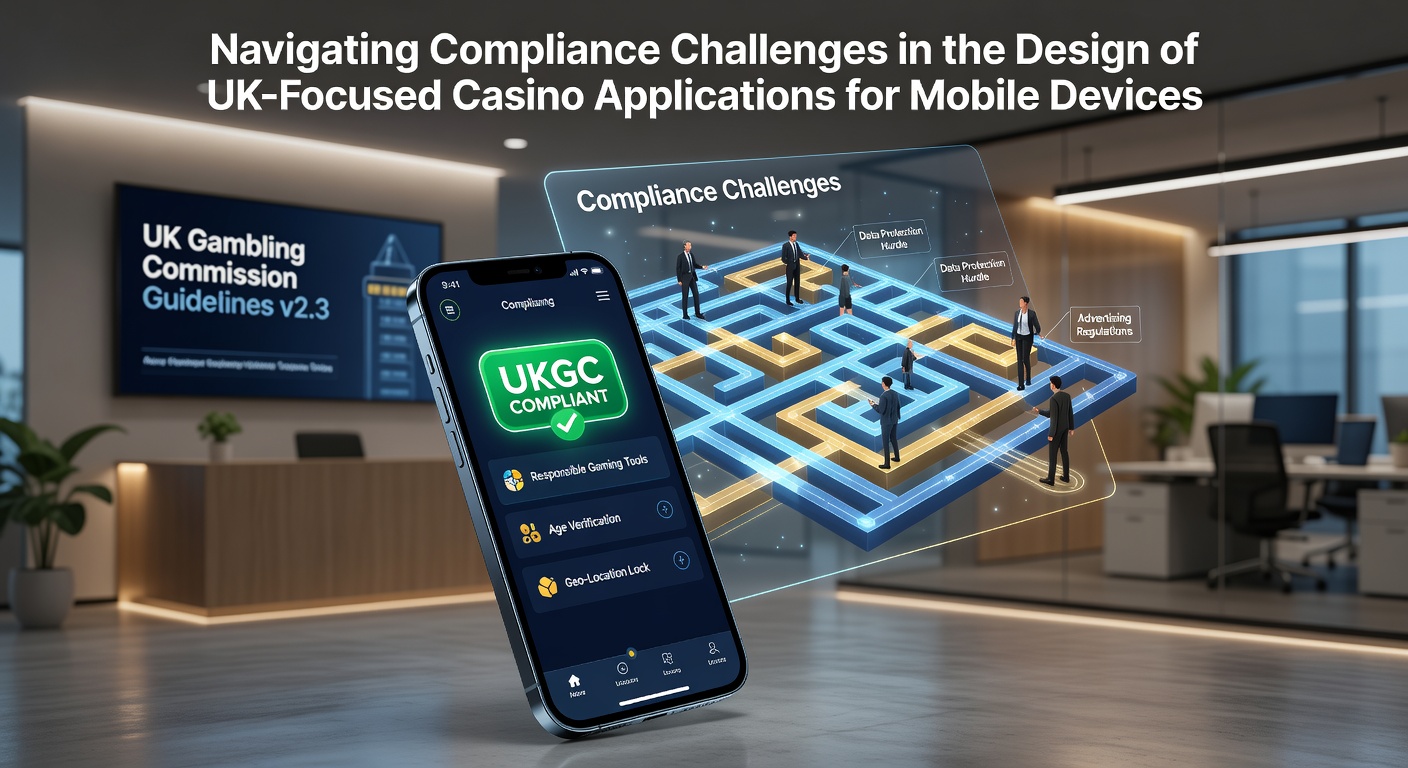
Developers face multiple layers of requirements when creating mobile casino applications aimed at UK users, and these standards influence everything from user registration flows to payment processing modules. Regulations around data handling, user protection, and operational transparency shape design choices at every stage of the development process. Teams must integrate features that meet expectations from various oversight bodies while maintaining smooth functionality across iOS and Android platforms. Data protection stands as a core element in app architecture. Applications collect extensive user information including personal details, financial records, and gaming histories, which means developers incorporate encryption protocols and consent mechanisms aligned with broader European data standards. Those who have examined similar projects note that early implementation of privacy-by-design principles reduces later rework when apps undergo external audits. Integration with secure servers becomes essential since any breach could disrupt service availability in the target market.Age Verification and User Onboarding Processes
Age verification systems require precise engineering to prevent access by underage individuals without creating friction that discourages legitimate players. Developers often combine document scanning, database cross-checks, and real-time identity confirmation tools within the initial signup sequence. Research indicates that combining multiple verification methods improves accuracy rates while keeping completion times under acceptable thresholds for mobile users.
These processes connect directly to responsible gambling tools that must appear throughout the application. Features such as deposit limits, session timers, and self-exclusion options need clear placement in navigation menus, and their activation must occur without requiring excessive steps. Observers note that seamless access to these controls helps maintain compliance across different operating systems where interface guidelines vary slightly.
Payment Integration and Transaction Monitoring
Payment systems present another set of challenges because mobile casino apps must support a range of methods while ensuring each transaction meets security benchmarks. Developers integrate third-party processors that already hold relevant certifications, which reduces the burden of building custom compliance layers from scratch. Transaction monitoring algorithms flag unusual patterns automatically, and these systems often draw from models developed in other regulated markets such as those overseen by the Nevada Gaming Control Board.

Advertising and promotional content within apps also falls under strict rules. Any bonus offers, game promotions, or marketing messages must include clear terms that display without hidden conditions. Designers allocate specific screen real estate for mandatory disclosures, and testing across device sizes ensures readability remains consistent. Teams frequently consult guidelines from industry groups like the American Gaming Association to align creative elements with broader responsible messaging practices used internationally.
Technical Testing and Platform-Specific Requirements
Platform-specific rules from app stores add another dimension because both major distribution channels impose their own content and functionality standards. Developers conduct repeated test cycles to confirm that live dealer streams, random number generators, and account management sections function reliably under various network conditions. Data from similar projects shows that addressing these elements during beta phases prevents delays closer to launch dates.
Updates to legislation scheduled around May 2026 introduce additional variables for long-term planning. Teams building apps now incorporate modular code structures that allow quicker adjustments to new duty calculations or reporting formats without full redesigns. This approach proves useful when remote gaming requirements evolve and demand revised financial tracking within the application backend.
Cross-Border Considerations and Future Adjustments
International comparisons help developers anticipate shifts in UK expectations. Reports from the Australian Communications and Media Authority highlight how similar markets manage real-time reporting of player activity, and some UK-focused teams adopt comparable logging frameworks to prepare for potential alignment. Academic studies on digital gambling platforms, including work published through university research centers, further inform decisions around user interface clarity and accessibility features.
Collaboration with legal specialists occurs throughout the design phase rather than at the end. Regular reviews catch potential issues in areas such as geolocation enforcement and third-party data sharing agreements. Those who've managed multiple releases note that maintaining detailed documentation of every compliance decision simplifies future audits and supports smoother updates when requirements change.
Conclusion
Successful navigation of compliance challenges in UK-focused mobile casino applications depends on integrating regulatory needs into the earliest design decisions. Developers who prioritize adaptable systems, thorough testing, and ongoing monitoring create products that function reliably within established frameworks. As standards continue to develop, particularly with adjustments expected in May 2026, the emphasis remains on flexible architecture that accommodates new obligations without compromising user experience or operational integrity.