Tech Evolutions Altering Real-Time Interactions and Bonus Frameworks in Gambling Apps for UK Device Owners
Theo Koch · Jul 1, 2026
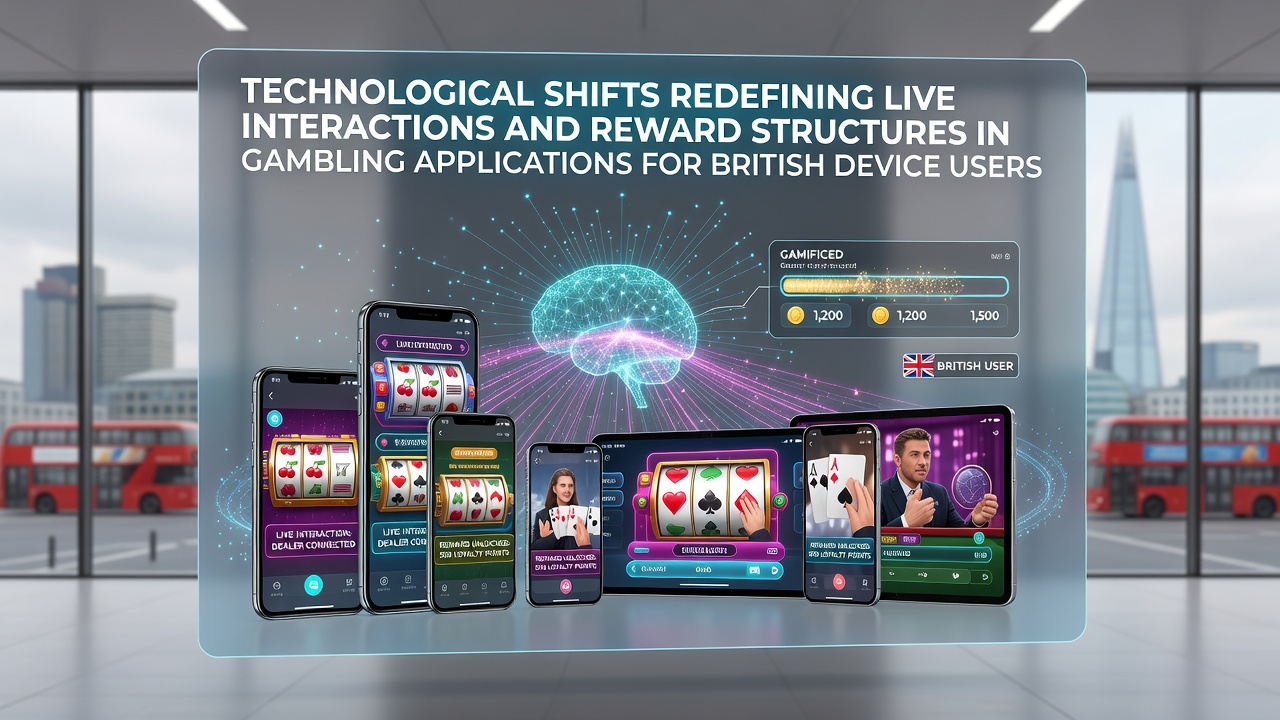
Tech Evolutions Altering Real-Time Interactions and Bonus Frameworks in Gambling Apps for UK Device Owners
Technological developments continue to reshape how British device users engage with live elements in gambling applications, while reward systems adapt through data-driven personalization and faster transaction capabilities. Mobile connectivity improvements, including widespread 5G rollout, support lower latency in live dealer streams, allowing participants to experience real-time video feeds and chat functions without noticeable delays during sessions.
Application developers integrate artificial intelligence to monitor user behavior patterns and adjust live interaction features accordingly. These systems enable dynamic camera angles in live casino environments or instant responses from virtual hosts based on aggregated player inputs. Observers note that such adaptations maintain engagement levels across extended play periods on smartphones and tablets.
Live Interaction Enhancements Through Connectivity and AI
British users access live dealer tables via apps that leverage improved network infrastructure to stream high-definition video with synchronized audio. This setup facilitates direct communication between players and dealers through text or voice options embedded in the interface. Data from industry reports indicates that session durations have extended in markets where similar technologies operate, as users respond to the immediacy of these exchanges.
AI algorithms further refine these interactions by analyzing chat sentiment and suggesting tailored game variations during live rounds. For instance, systems detect preferences for specific table limits or dealer styles and surface matching options without interrupting the flow. Researchers at institutions such as the University of Nevada's International Gaming Institute have documented comparable shifts in other regions, where real-time adjustments correlate with sustained participation rates.
Shifts in Reward Structures via Personalization Tools
Reward frameworks in these applications now rely on machine learning models that process gameplay data to generate individualized incentives. These models calculate bonus eligibility based on factors including session frequency, game type selection, and deposit patterns, then deliver offers through in-app notifications. British device users encounter loyalty tiers that evolve in response to ongoing activity rather than fixed calendars.
Instant payout mechanisms integrate with reward delivery, allowing users to convert points or bonuses into cash equivalents through streamlined verification processes. This occurs alongside features such as free spin allocations triggered by live session milestones. Evidence from Australian regulatory analyses shows that similar reward automation in mobile platforms leads to higher redemption rates when processing times drop below previous benchmarks.
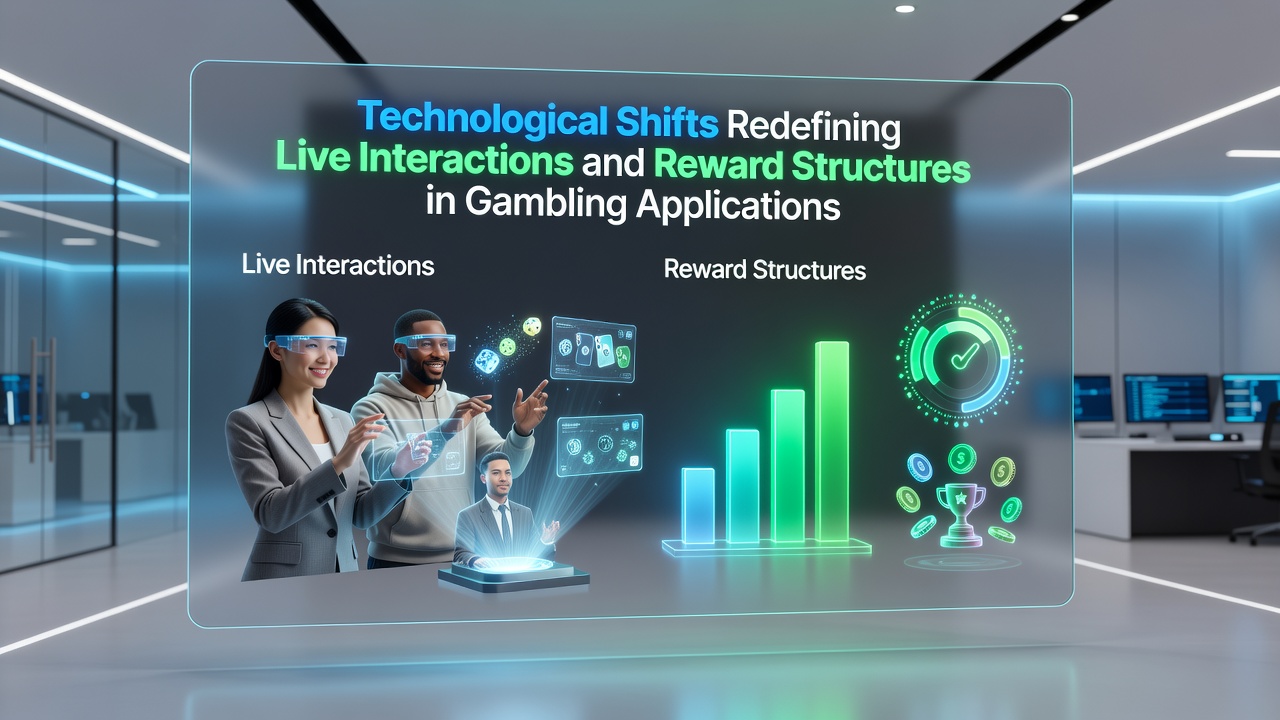
Developments around July 2026 include expanded testing of augmented reality overlays that blend live dealer visuals with interactive reward elements on device screens. Users can access layered information panels displaying accumulated points or upcoming incentives without leaving the main game view. These additions build on existing frameworks that prioritize seamless transitions between entertainment and reward access.
Integration of Biometric and Security Features
Device-level biometric authentication supports both live session entry and reward claiming processes. Fingerprint or facial recognition replaces multiple password steps, reducing friction during high-volume interactions. This technology aligns with broader security standards adopted across European markets, where operators report fewer account access interruptions.
Blockchain elements appear in select applications to record reward transactions transparently, enabling users to track point histories and conversions on immutable ledgers. Although adoption remains gradual, pilot programs in Canadian provinces demonstrate how such records enhance user trust in dynamic bonus allocations tied to live play metrics.
Conclusion
These technological integrations collectively influence how British device users navigate live components and incentive systems within gambling applications. Connectivity advancements sustain real-time exchanges, while analytical tools customize rewards to individual patterns. Continued evolution in these areas reflects broader mobile ecosystem changes that prioritize speed and relevance in user experiences.